


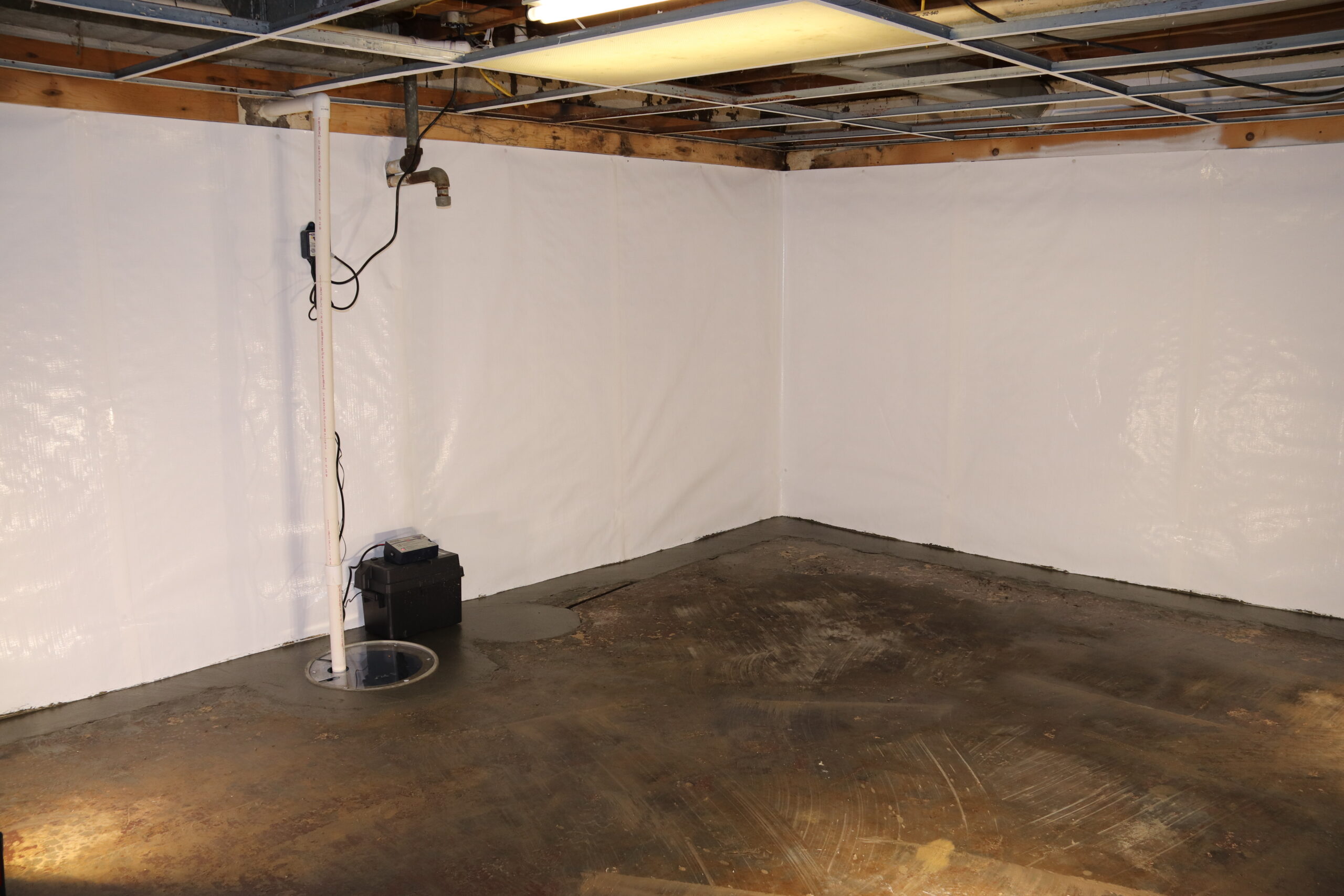
What To Do First (And When To Call a Pro)
If you’ve ever walked downstairs and spotted damp carpet, water along the wall, or a puddle near the floor drain, you know how quickly concern sets in. At Crossroads Foundation Repair, we help homeowners across Indiana understand what’s happening, what to do next, and how to protect their home long-term. Today, we’ll discuss the difference between a flooded basement and water in the basement, plus the right next steps.
Flooded Basement vs. Water in Basement: What’s the Difference?
A flooded basement usually means there is standing water covering a noticeable portion of the floor. This can happen after heavy rain, snowmelt, plumbing failures, or sump pump issues. Flooding tends to create immediate risks, from damaged belongings to fast-rising humidity that can impact indoor air quality.
Water in the basement often looks less dramatic, but it still matters. This can be seepage at the edge of the floor, damp spots on walls, minor puddling in one area, or moisture that returns after storms. Even when it’s “just a little water,” it can be a sign of pressure against the foundation, drainage problems, or a system that isn’t handling Indiana weather the way it should.
The key difference is severity and urgency, not importance. Flooding usually requires immediate water removal and safety precautions. Smaller leaks or seepage still deserve attention because repeated moisture can lead to long-term issues like mold growth, damaged finishes, and gradual structural stress.
What To Do When You Notice Water in Your Basement
Finding water in your basement is stressful, but the right first steps can reduce damage and help you make clear decisions.
- Start with safety: If water is near outlets, appliances, or your electrical panel, do not step into it. Shut off power to the area if you can do so safely.
- Identify the type of water: Clean water from a supply line is different from stormwater or sewage. If you suspect contaminated water, avoid direct contact and call a professional.
- Stop what you can safely stop: Check for obvious sources such as a leaking water heater, burst pipe, or sump pump issue. If the source is plumbing-related, turning off the main water supply may help.
- Document the situation: Take photos and note where water is entering, how deep it is, and what areas are affected. This can help with both repairs and insurance conversations.
- Remove standing water and begin drying: Use a wet/dry vacuum or pump if it’s safe and manageable. Open windows if weather allows, run fans, and use a dehumidifier to slow moisture damage.
- Move items off the floor: Raise boxes, furniture, and stored items to reduce damage and improve airflow. Wet cardboard and fabric can hold moisture and create odor quickly.
- Watch for repeat patterns: If water returns after rain, appears near the wall-floor joint, or shows up in the same spot, that pattern is often the clue to the real cause.
When To Call a Local Pro
You should call a local basement waterproofing professional when the problem is recurring, getting worse, or tied to structural concerns. If you’re taking on water every time Indiana gets a heavy storm, the issue is usually not a one-time event, it’s a drainage or foundation water management problem that needs a lasting fix.
It’s also time to call if you notice bowing or cracking walls, new gaps, or floors that feel uneven. Water problems and foundation stress often show up together, especially when soil stays saturated around the home.
And if you’re dealing with a true basement flood, contaminated water, or you can’t keep humidity and odor under control even after drying, professional guidance can prevent larger repair costs later.
Common Causes of Basement Water in Indiana Homes
Indiana weather and soil conditions create predictable patterns for basement moisture, especially during spring rain and freeze-thaw cycles.
- Poor grading around the home: Soil that slopes toward the foundation can funnel water directly to basement walls.
- Clogged gutters or short downspouts: Overflowing roof runoff often saturates the ground next to the foundation.
- Hydrostatic pressure: When soil holds water, pressure pushes moisture through weak points in the foundation.
- Cove joint seepage: Water can enter where the basement wall meets the floor, especially after heavy rain.
- Foundation cracks: Small cracks can let water in, then grow over time if the underlying pressure remains.
- Sump pump failure or undersized systems: A pump that cannot keep up during storms can lead to backup and flooding.
- Drain tile or drainage system issues: If water is not being captured and redirected, it will find its way inside.
FAQs About Basement Waterproofing
How do I know if I need a drainage system or just a sump pump?
If water is entering along the basement perimeter or at the wall-floor joint, a drainage system may be needed to capture it. A sump pump is often part of the solution, but not always the only piece.
Is it safe to stay in a home with a wet basement?
Often yes, but ongoing moisture can impact indoor air quality and create mold-friendly conditions. If you notice strong odors, headaches, or persistent humidity, it’s worth getting a professional assessment.
Will sealing the basement walls stop the leak?
Sealers can help in some situations, but many leaks are driven by pressure and water movement outside the foundation. If the source is not controlled, water often returns.
What should I do if water only shows up during heavy rain?
That pattern usually points to exterior drainage, grading, gutters, or hydrostatic pressure. Tracking where water appears helps identify the right long-term fix.
Can basement water problems affect the rest of my home?
Yes. A damp basement can raise humidity levels throughout the house, contribute to musty air, and potentially affect floors, walls, and stored items over time.
How soon should I address a small leak?
As soon as you can. Small leaks can indicate a larger water management issue, and early action is usually simpler and more cost-effective than waiting.
Water in Your Basement? Call Crossroads Foundation Repair Today
Whether your basement is fully flooded or you’re seeing ongoing seepage after storms, the most important step is getting clear answers about what’s causing it. Crossroads Foundation Repair helps Indiana homeowners protect their homes with proven waterproofing and moisture control solutions, backed by honest recommendations and lasting workmanship.
Schedule a free, no-obligation inspection and get a plan you can trust.
This article was reviewed for accuracy by Steven Kyle Leman, Owner and General Manager of Crossroads Foundation Repair. Steven has 15 years of hands-on experience with foundation repair and waterproofing systems across Indiana homes and holds certification through the National Foundation Repair Association with continuing education each year.