


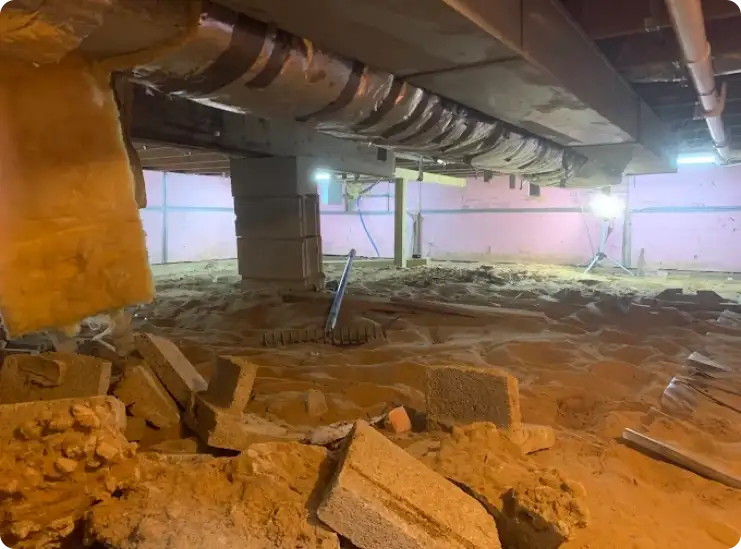
Crawl space moisture is one of those problems that can stay out of sight until it starts showing up everywhere else. In the air you breathe, the comfort of your floors, and even the strength of the structure beneath your home. In Indiana, spring rain, snowmelt, and humid summers create the perfect conditions for moisture to build up below the house.
At Crossroads Foundation Repair, we help homeowners across Indiana identify the cause of crawl space moisture and choose repair options that hold up long-term.
Why Crawl Space Moisture Is So Common in Indiana
Indiana weather makes moisture control a year-round concern. In spring, heavy rain can saturate the soil around your home and push moisture into low areas. In winter, snowmelt can overwhelm drainage and leave the ground damp for weeks. Then summer arrives with high humidity, and crawl spaces become a place where warm, moist air gets trapped, especially if ventilation and insulation aren’t doing their job.
The other piece of the puzzle is how crawl spaces behave. They’re naturally cooler and shaded, which makes them more likely to hold condensation. When water isn’t directed away properly, or when the air under the home stays humid, moisture builds up on surfaces like ductwork, floor joists, and insulation. Over time, that “minor dampness” can turn into musty odors, mold-friendly conditions, and damaged materials.
Signs of Crawl Space Moisture
Most Indiana homeowners don’t find crawl space moisture because they’re checking the crawl space every week. They find it because the home starts to feel different. If you’re noticing any of the signs below, it’s worth taking a closer look.
- Musty odors or stale air in the home: A crawl space that stays damp can create a persistent musty smell that drifts upward through the floors, especially after rain or during humid months.
- Cold floors, uneven comfort, or higher indoor humidity: When insulation is damp or falling, and humidity builds under the home, floors can feel colder and the indoor air can feel heavier, even when the thermostat says everything is fine.
- Visible condensation, damp insulation, or standing water: Condensation on pipes, water droplets on ductwork, soggy insulation, or pooling water are clear signs that moisture is collecting instead of being controlled.
- Mold growth, wood staining, or pest activity: Mold, dark staining on wood, or increased pest activity can point to moisture that has been present long enough to create the conditions insects and mold prefer
What Crawl Space Moisture Can Lead to If It’s Ignored
Crawl space moisture isn’t just a crawl space issue. It can affect the entire home, often in ways that homeowners do not connect back to what’s happening underneath.
Indoor air quality problems and persistent humidity. If the crawl space is damp, that moisture can contribute to higher humidity throughout the home. That can lead to musty air, lingering odors, and a space that never feels truly dry or comfortable.
Wood rot and structural weakening. Moisture and wood do not mix over time. When joists, beams, and subfloor materials repeatedly absorb moisture, they can weaken. That is why early action is usually easier than waiting until repairs become more involved.
Mold-friendly conditions. Mold growth often follows moisture. Even when mold stays in the crawl space, it can still affect indoor air and create ongoing odor problems that homeowners struggle to solve with surface cleaning alone.
Higher energy bills and HVAC strain. A damp crawl space can reduce insulation performance and increase the workload on heating and cooling systems. When your home has to fight high humidity and inconsistent temperatures, energy use often rises.
Crawl Space Solutions That Actually Address the Problem
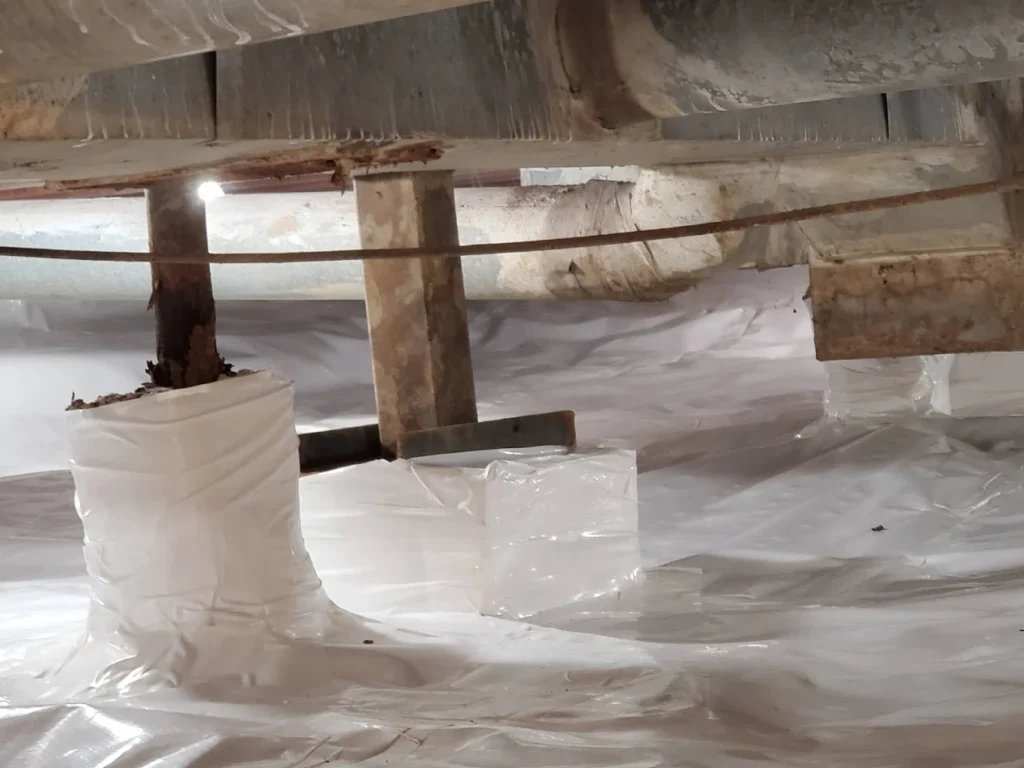
The most important thing to understand about crawl space repair is that the right solution depends on the cause. A good plan does not start with a sales pitch. It starts with identifying how moisture is getting in, where it is collecting, and what needs to change to keep it from coming back.
Crawl Space Sealing & Moisture Control
Sealing and moisture control focuses on reducing the damp environment that allows odors, humidity, and damage to continue. This often includes closing off obvious moisture pathways and improving how the space handles humidity over time. When done correctly, the crawl space stays more stable season to season, not just for a week after the repair.
Vapor Barriers & Encapsulation
Vapor barriers and encapsulation are designed to separate the crawl space from ground moisture and humid air conditions. A properly installed vapor barrier helps prevent moisture from rising into the space and collecting on materials that should stay dry.
Encapsulation is not about “covering up” a problem. It is about controlling the environment under the home so moisture stops driving damage and discomfort. In Indiana, where humidity and wet soil conditions can overlap for months, this can be a strong option when the crawl space needs full moisture control.
Drainage Improvements
Sometimes the crawl space stays damp because water is not being directed away from the home in the first place. Drainage improvements can include adjustments that help keep water from collecting around the foundation and migrating to low areas.
If your crawl space moisture is tied to wider water management issues, it may also be helpful to understand basement solutions that control water movement around the home.
Repairing Damaged Materials
Moisture control is the first step, but damaged materials may still need attention. That can include replacing ruined insulation, addressing deteriorated wood, and correcting areas that have been compromised by long-term dampness.
The goal is to restore the crawl space to a condition where it supports the home properly, stays cleaner, and does not continue to create odor or humidity issues. If structural concerns are involved, we may also recommend reviewing stabilization options.
FAQs About Crawl Space Moisture & Repair
Is a musty smell always coming from the crawl space?
Not always, but crawl spaces are a common source because moisture and organic materials can create odors that move upward into the home. A quick inspection can confirm the source.
Does a dehumidifier fix crawl space moisture for good?
A dehumidifier can help manage humidity, but it usually does not solve the underlying cause. Long-term improvement comes from controlling moisture entry and sealing the space properly.
Should crawl spaces be vented in Indiana?
It depends on the home and conditions, but vents can bring humid air into the crawl space during warm months. The best approach is based on how moisture behaves under your home, not a universal rule.
How do I know if crawl space repair is worth the cost?
If moisture is recurring, you see mold or wood damage, insulation is falling, or indoor air feels humid or smells musty, repair is often worth it. Addressing it early can prevent bigger structural or air quality issues.
Get Clear Crawl Space Answers With Crossroads
Crawl space moisture can be easy to ignore at first, but the signs tend to spread: musty air, higher humidity, damaged insulation, and concerns about the structure beneath your home. The best next step is a clear inspection that identifies the cause of moisture and lays out your options clearly.
At Crossroads Foundation Repair, we focus on honest assessments and long-lasting solutions, without scare tactics or pressure.
Investing in professional crawl space repair ensures the safety of your crawl space, home, and family. Call us today to schedule your free consultation.
This article was reviewed for accuracy by Steven Kyle Leman, Owner and General Manager of Crossroads Foundation Repair. Steven has 15 years of hands-on experience with foundation repair and waterproofing systems across Indiana homes and holds certification through the National Foundation Repair Association with continuing education each year.