


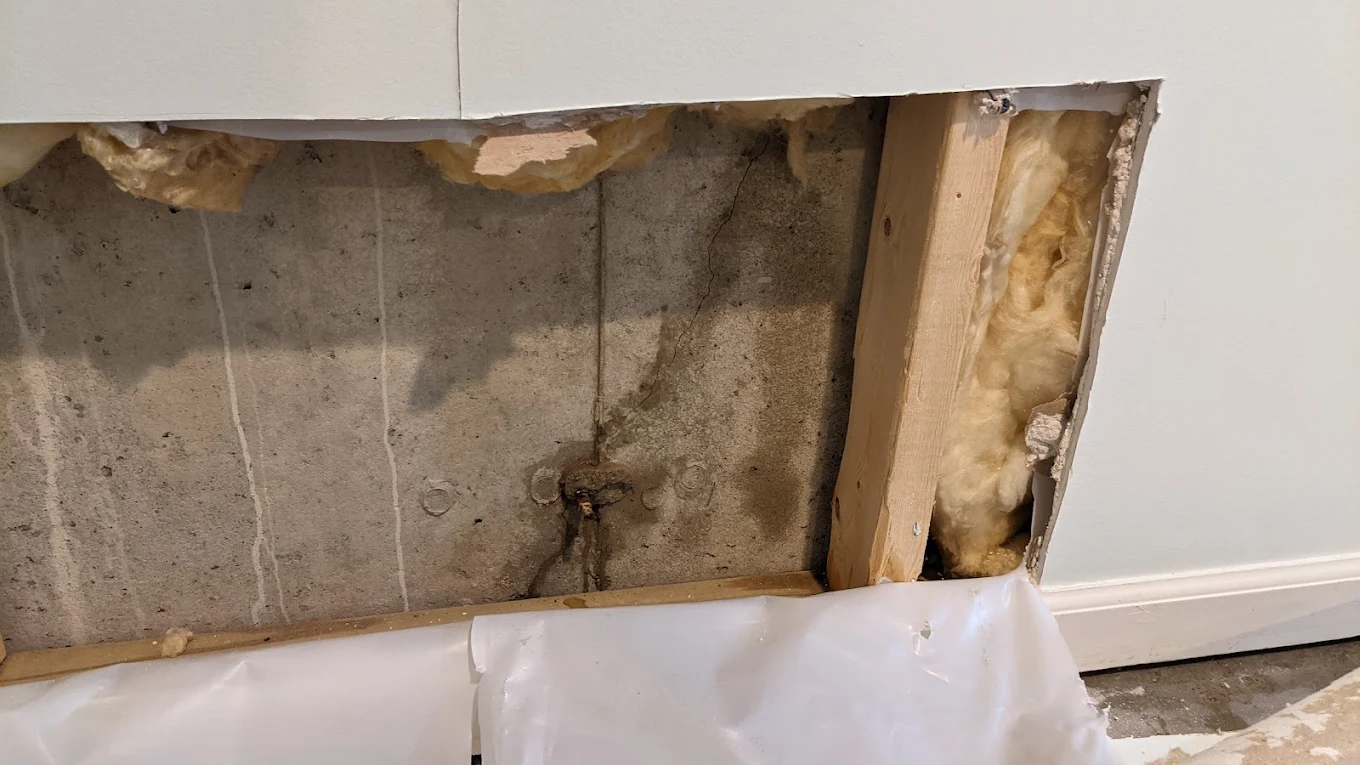
If you’re researching basement wall repair costs, you’re probably finding a wide range of numbers online, and most of them aren’t very helpful. That’s because basement wall repair isn’t a single service with a flat rate. The cost depends on what’s happening to the wall, what’s causing it, and what it will take to stabilize it properly. In Indiana, where clay soil, seasonal moisture, and freeze-thaw cycles all put pressure on basement walls, the scope of repair can look very different from one home to the next.
At Crossroads Foundation Repair, we believe in giving homeowners clear, honest estimates based on what the wall actually needs, not a one-size-fits-all number.
Why Basement Wall Repair Costs Vary So Much
A homeowner in Bloomington and a homeowner in Lafayette can both have “bowing basement walls” and end up with very different repair plans. One wall may have early-stage cracking that can be reinforced quickly. Another may have significant inward movement that requires a more involved stabilization approach, possibly combined with drainage work.
The cost difference comes down to the cause, the severity, and the work required to deliver a lasting fix. That’s why ballpark numbers from the internet rarely match what a professional inspection reveals. The only reliable way to understand what your repair will cost is to have someone evaluate the wall, the soil conditions, and the full picture.
The Biggest Factors That Affect Your Cost
Here’s what typically drives the price of basement wall repair in Indiana:
- Extent of wall movement: A wall with minor cracking requires less reinforcement than a wall that is actively bowing or leaning inward. The further a wall has moved, the more involved the repair.
- Type and location of cracking: Horizontal cracks along the middle of the wall usually indicate lateral soil pressure. Stair-step cracks in block walls often point to differential settlement. Where and how the wall is cracking helps determine what method is needed.
- Wall dimensions: Longer or taller walls may need more reinforcement points, which affects materials and labor.
- Repair approach: Carbon fiber reinforcement, wall anchors, and steel braces all serve different purposes and come at different price points. The right method depends on severity and wall type, not just budget.
- Accessibility: If the basement is finished, has tight access, or has obstructions near the wall, additional prep work may be needed before the repair can begin.
- Moisture and drainage conditions: If water pressure is contributing to wall movement, managing drainage may be part of the long-term solution. Addressing the wall without addressing the water can lead to repeat issues.
- Whether structural stabilization is required: Some wall problems are connected to broader foundation movement that needs to be addressed alongside the wall repair. Combined scopes affect cost.
- Preparation or finishing work: Removing drywall for access, reattaching materials after the repair, or cleaning up the work area can add to the total depending on the basement’s condition.
Common Repair Methods & How They Impact Cost
The three most common basement wall repair methods each fit different situations and price ranges.
Carbon Fiber Reinforcement
This is often used for walls with early to moderate cracking or bowing. Carbon fiber straps are low-profile, installed from the interior, and provide strong reinforcement without taking up much space. It’s typically one of the more cost-effective options when the wall hasn’t moved significantly.
Wall Anchors
Wall anchors are designed for walls that have bowed or shifted inward and may benefit from gradual straightening over time. They connect the wall to stable soil outside the foundation and can apply corrective pressure as conditions allow. The cost depends on how many anchor points are needed based on wall length and severity.
Steel Braces
Steel braces provide strong vertical reinforcement for walls under significant pressure. They’re installed along the interior wall surface and are effective for more advanced movement. Steel bracing can be a practical choice when the wall needs substantial support and other methods aren’t sufficient.
The best method is the one that matches the wall’s condition, not the cheapest or most expensive option available. A professional evaluation helps you understand which approach fits and why.
When the Scope Goes Beyond Wall Repair
Sometimes a bowing or cracking wall is part of a larger pattern. If the foundation is settling unevenly, if drainage is directing water against the wall every time it rains, or if moisture conditions in the crawl space or basement are contributing to ongoing pressure, the repair plan may need to address more than just the wall itself.
This doesn’t automatically mean a massive project, but it does mean the estimate should reflect the full scope needed for a lasting result. Fixing the wall without fixing the cause of the pressure is a short-term approach that often leads to repeat problems and higher costs down the road.
Why a Professional Inspection Is the Best First Step
Online cost calculators and national averages can give you a general idea, but they can’t see your wall, your soil, or your drainage. Every basement wall problem has a specific cause and a specific severity, and the repair plan should reflect that.
During a professional inspection, the evaluator assesses the type and direction of movement, the cracking pattern, moisture conditions, and what’s driving pressure against the wall. From there, you get a clear explanation and a written estimate based on what your home actually needs, not a generic range.
Financing Options for Basement Wall Repair
Basement wall repair is a structural investment, and it shouldn’t have to wait because of budget uncertainty. Crossroads Foundation Repair partners with GreenSky® to offer flexible financing options, including no-interest plans, deferred payment terms, and fixed-rate loans with fast approval. If cost is a concern, we can walk through options during your estimate so you can move forward with confidence.
FAQs About Basement Wall Repair Cost
How much does basement wall repair cost on average?
It varies significantly based on the wall’s condition, the repair method, and the scope of work. A professional inspection is the most reliable way to get an accurate estimate for your specific situation.
Does insurance cover basement wall repair?
Typically not, since wall movement from soil pressure is usually considered a maintenance issue. If damage is tied to a covered event, you may have options, and documentation from an inspection can help.
Is carbon fiber cheaper than wall anchors?
Generally, yes, but they serve different purposes. Carbon fiber works well for early-stage movement, while anchors are designed for more significant bowing. The right choice depends on severity, not just price.
Can I get a cost estimate without committing to repairs?
Yes. Crossroads provides free, no-obligation inspections. You’ll receive a clear estimate and explanation with no pressure to move forward.
Does the cost change if my basement is finished?
It can. Finished basements may require removal of drywall or other materials to access the wall, which adds prep and restoration work to the scope.
Is financing available for basement wall repair?
Yes. We offer flexible financing through GreenSky® so you can address structural concerns without draining savings.
Get a Clear Estimate for Your Basement Wall
Basement wall repair cost comes down to what’s happening to the wall, what’s causing it, and what the right fix looks like for your home. The best way to get an accurate number is a professional inspection that evaluates the full picture, not a guess based on national averages. Crossroads Foundation Repair provides Indiana homeowners with honest assessments, proven repair methods, and clear estimates.
Schedule a free, no-obligation inspection today.
This article was reviewed for accuracy by Steven Kyle Leman, Owner and General Manager of Crossroads Foundation Repair. Steven has 15 years of hands-on experience with foundation repair and waterproofing systems across Indiana homes and holds certification through the National Foundation Repair Association with continuing education each year.