


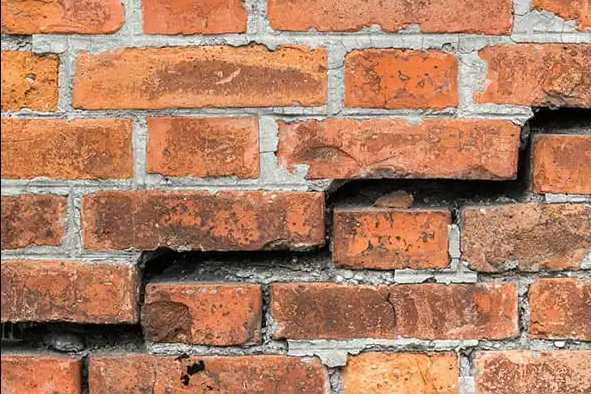
Foundation cracks are one of the most common concerns Indiana homeowners bring to us, and for good reason. A crack in your basement wall or foundation can raise questions about safety, repair costs, and whether the problem is getting worse. The good news is that not every crack is a sign of serious trouble. Some are cosmetic. Others deserve prompt attention. The key is understanding what to look for.
At Crossroads Foundation Repair, we help homeowners across Indiana evaluate foundation cracks with honest, pressure-free guidance and clear next steps.
Not All Foundation Cracks Are the Same
When a homeowner notices a crack, the first instinct is often concern. But professionals evaluate cracks differently than most people expect. We look at the direction of the crack, the width, whether it is growing, and where on the wall it appears. A thin vertical line near a window is very different from a horizontal crack running across the middle of a basement wall.
Homeowners tend to notice cracks when they are already visible and wide enough to catch attention. By that point, the crack may have been developing for months or years. That does not always mean it is serious, but it does mean an evaluation can help you understand what is happening and whether it needs action.
Types of Foundation Cracks & What They Usually Mean
Vertical Cracks
Vertical cracks run straight up and down and are among the most common. They often result from concrete curing and normal settling, especially in newer Indiana homes. Most vertical cracks are not structural emergencies, but they can allow water in if they widen over time.
Horizontal Cracks
Horizontal cracks are typically more concerning because they often indicate lateral pressure against the wall, usually from saturated soil pushing inward. In Indiana, this pressure can increase after heavy spring rain or snowmelt when the ground stays wet for extended periods.
Stair-Step Cracks
Stair-step cracks follow the mortar joints in block or brick foundations and often point to settling or shifting at one section of the home. They can indicate differential movement, where one part of the foundation is moving while another stays stable.
Diagonal Cracks
Diagonal cracks can signal uneven settlement or stress concentration at corners, windows, or door frames. Our specialists look for diagonal cracks in drywall that have actually broken through the material, not just surface-level imperfections.
Hairline Cracks vs Wide or Growing Cracks
Hairline cracks (less than 1/16 inch) are common and often cosmetic. Wider cracks, or cracks that measurably grow over weeks and months, are more likely to indicate active movement that should be evaluated professionally.
Signs a Foundation Crack May Be Serious
Not every crack requires repair, but certain patterns signal that something more significant is happening beneath or around the home.
- The crack is widening over time: If you can see growth between inspections or seasons, the movement may be ongoing.
- Water is entering through the crack: Moisture intrusion can worsen the crack and create secondary problems like mold and material damage.
- The crack is paired with bowing, leaning, or wall shifting: When cracks appear alongside structural movement, stabilization is often needed.
- Doors and windows are sticking or misaligned: This can indicate that the frame is shifting as the foundation moves.
- Floors feel uneven near the cracked area: Sloping or bouncing floors near a crack may point to settlement affecting the structure above.
If you are noticing any of these in combination, a professional foundation repair evaluation can clarify the cause and severity.
When a Crack Is Probably Not a Major Concern
Many foundation cracks are not emergencies. Normal concrete curing can produce small vertical cracks, especially in the first few years after construction. Hairline cracks that have not changed in size or allowed water in are often cosmetic.
Shrinkage cracks in poured concrete walls are also common and typically do not indicate structural failure. If a crack is stable, dry, and not paired with other symptoms like sticking doors or uneven floors, it may simply need monitoring rather than immediate repair.
You do not need to panic at every line in the concrete. The goal is to know when a foundation crack deserves a closer look.
What To Do if You Are Not Sure
If you are unsure whether a crack is serious, these steps can help you stay informed without overreacting.
- Document and measure: Take photos and note the width. A pencil mark at each end of the crack can help you track whether it grows.
- Monitor for changes over time: Check the crack after storms, seasonal transitions, and wet periods to see if it shifts.
- Check for related symptoms: Look for water near the crack, changes in doors or windows, musty smells, or floor movement.
- Schedule a professional inspection: If you see changes or related symptoms, a clear evaluation from a qualified team can help you understand what is happening and what, if anything, needs to be done.
For homeowners in Lafayette, Fort Wayne, South Bend, Bloomington, Muncie, or Carmel, Crossroads Foundation Repair provides free, no-obligation inspections designed to give you answers without pressure.
FAQs About Foundation Cracks
Can a foundation crack get worse over time?
Yes. Cracks driven by ongoing pressure, water intrusion, or active settlement can widen and lead to more significant structural concerns if the underlying cause is not addressed.
Should I seal a foundation crack myself?
Surface sealants can reduce minor water entry temporarily, but they do not fix the cause. If the crack is growing or letting water in consistently, professional evaluation is a better path.
Do all foundation cracks need professional repair?
No. Many hairline cracks are cosmetic and stable. Professional repair is recommended when cracks are widening, allowing water in, or paired with structural symptoms.
How much does it cost to fix a foundation crack?
Cost depends on the crack type, cause, and repair method needed. A professional inspection can give you a clear, specific estimate based on your home.
Can water coming through a crack damage my home?
It can. Repeated moisture entry can contribute to mold growth, material deterioration, and worsening of the crack itself over time. Addressing basement waterproofing alongside crack repair can help prevent recurring issues.
Does a crack mean my foundation is failing?
Not necessarily. Many cracks are minor and manageable. The key is determining whether the crack is stable or part of an active pattern that needs stabilization.
Call Now for Foundation Crack Repair
Not every foundation crack is an emergency, but the ones that matter deserve attention before they get worse. The best approach is a clear inspection that identifies what is causing the crack, whether it is active, and what repair options make sense for your home.
Crossroads Foundation Repair provides Indiana homeowners with honest assessments and long-lasting results, without scare tactics or pressure.
Schedule a free foundation inspection today.
This article was reviewed for accuracy by Steven Kyle Leman, Owner and General Manager of Crossroads Foundation Repair. Steven has 15 years of hands-on experience with foundation repair and waterproofing systems across Indiana homes and holds certification through the National Foundation Repair Association with continuing education each year.