


When you find water standing around your house, the floor is sagging, there is a musty smell, the wood is damaged or the humidity level is high underneath your home, your first question might well be: How much will crawl space repair cost?
There is no one price that can be applied to all homes in Indiana.
The situation in a crawl space with only slight moisture problems is quite different from that in one with damaged floor joists, failing supports, standing water, or long-term structural movement. Homes showing similar symptoms might still need different kinds of repair depending on the cause of the problem.
Which is why a professional crawl space inspection is generally the best thing to do. Before suggesting any repairs, a contractor must gain a clear understanding of the condition of the crawl space, where the moisture is coming from, whether the structural components have been damaged, and what kind of system would be suitable for the home.
We now explain the main factors which can influence the cost of crawl space repair in Indiana and the information that homeowners should have before looking at different estimates.
What determines the cost of repairing a crawl space?
The main consideration is the kind of the problem and how serious it is.
Crawl space repair is a wide category and may involve moisture control, drainage, structural repairs, encapsulation, floor support, waterproofing, and other improvements. In some houses only one kind of repair is needed, but in others there are a number of related problems that have to be dealt with together.
The factors listed usually have the most significant effect on the scope of a project.
1. Structural Damage
The structure of the repairs can cause the crawl space project to change in scope.
Moisture, settling, poor support, aging, or other factors can cause the floor joists, beams, support posts, and other structural elements under a house to be affected.
Homeowners may notice symptoms such as:
- Floors that sag or feel uneven
- Bouncing or soft floors
- Gaps developing between floors and walls
- Interior doors that begin sticking
- Cracked drywall
- Visible wood deterioration
- Damaged or shifting crawl space supports
A professional inspection can help determine whether these symptoms originate in the crawl space and what type of reinforcement or repair may be appropriate.
Structural work is different from simply controlling moisture. If damaged framing, beams, or supports need to be repaired or stabilized, the project will naturally involve different materials and labor than a basic moisture-control project.
If you are noticing these symptoms, learn more about Crossroads Foundation Repair’s Crawl Space Repair services.
2. The quantity and origin of moisture
Water and humidity are among the most common problems in crawl spaces, but it is important to find out where the moisture is coming from before selecting a solution.
Possible moisture sources include:
- Ground moisture
- Water entering after heavy rain
- Poor exterior drainage
- Plumbing leaks
- Humid outdoor air
- Foundation or crawl space wall leaks
- Inadequate drainage beneath the home
A space that only needs improved moisture control might need a different sort of solution from one where water regularly gathers following storms.
We should aim at tackling the fundamental cause of the problem rather than just dealing with the obvious symptoms.
It could include a combination of drainage, waterproofing, the use of vapor barriers, encapsulation, or other moisture-management measures, depending on the specific conditions of the house.
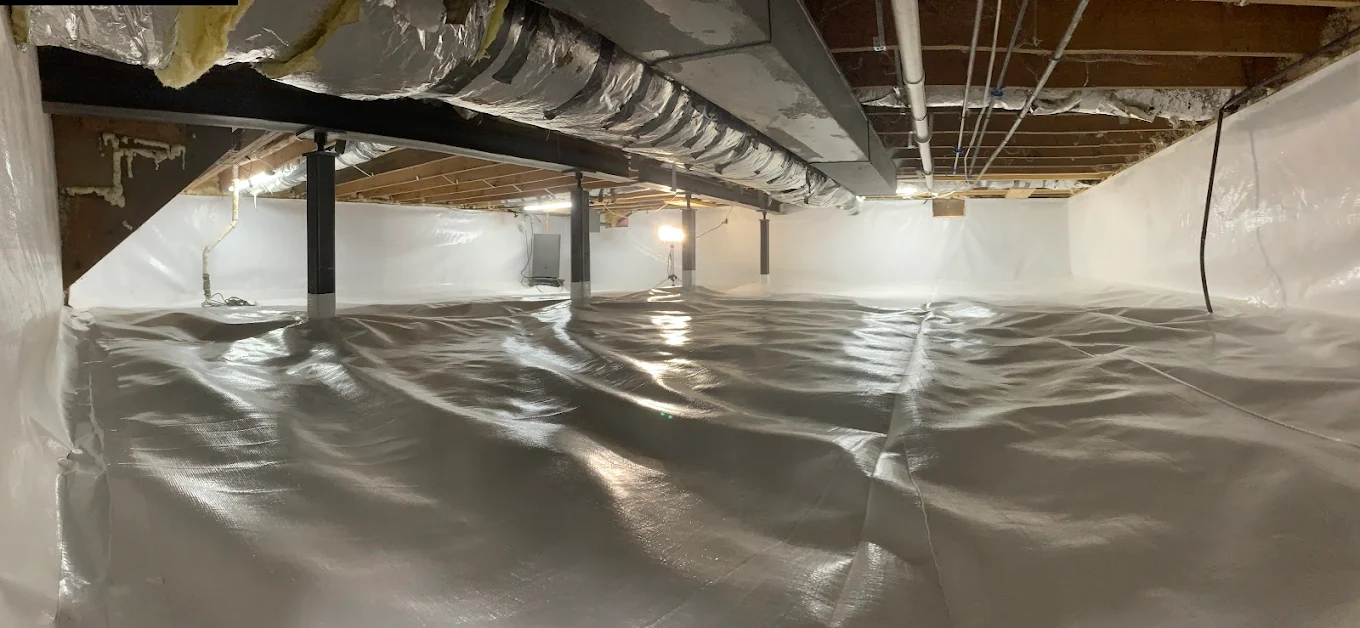
3. Crawl Space Encapsulation
Encapsulation is beneficial in some cases as it produces a cleaner and more controlled environment under the house.
An encapsulation project may include components such as:
- A heavy-duty vapor barrier
- Sealing exposed ground
- Sealing walls or other surfaces where appropriate
- Moisture-management measures
- Drainage improvements
- Dehumidification or humidity control when needed
The project can be affected by both the size of the crawl space and the extent of the preparation needed.
For instance, a crawl space that is fairly clean will need less preparation than one that has debris, damaged insulation, standing water, mould problems, or deteriorated building materials.
Encapsulation shouldn’t automatically be regarded as the answer to every crawl space problem; in cases where there is structural damage or active water ingress, those issues may have to be dealt with as part of the general repair plan.
For more information, see our guide to Crawl Space Encapsulation vs. Crawl Space Waterproofing.
4. The requirements regarding drainage and waterproofing
If water regularly enters the crawl space, controlling that water may become a major part of the project.
Depending on the cause, repairs could include improvements designed to collect, redirect, or manage water before it damages the structure.
The scope of this work depends on factors such as:
- Where water enters
- How frequently water is present
- Crawl space grading
- Exterior drainage
- Existing drainage systems
- Groundwater conditions
- Foundation configuration
Before suggesting a drainage or waterproofing system, a contractor must establish where the water is coming from.
For instance, merely fitting in a vapor barrier may fail to deal with a crawl space in which considerable water intrusion is still taking place.
5. Crawl Space Size
The physical size of the crawl space can also have an effect on the scope of the project.
A larger crawl space generally requires more materials and labor for systems such as vapor barriers or encapsulation.
However, square footage by itself does not set the cost.
Two crawl spaces that are the same size can call for quite different kinds of repair; one might be dry and structurally sound, while the other could have standing water, deteriorated joists, insufficient supports, and hard access.
That is why estimates based solely on square footage can be misleading.
6. Accessibility
Certain crawl spaces are easier to work in than others.
Factors that can affect accessibility include:
- Crawl space height
- Size and location of the access opening
- HVAC equipment
- Plumbing
- Electrical lines
- Ductwork
- Existing insulation
- Debris
- Tight work areas
A low or difficult-to-access crawl space may require more labor than an open area where technicians can easily move materials and equipment.
Accessibility is one of the reasons an on-site evaluation is much more useful than trying to estimate a repair based only on photographs or a phone conversation.
7. The damage that already exists and the preparatory work
Preparation of the crawl space may be necessary before a repair system is installed.
Depending on its condition, this could include addressing:
- Damaged materials
- Debris
- Old insulation
- Standing water
- Mold or microbial concerns
- Wood deterioration
- Existing failed repairs
The quantity of preparation needed can have an impact on both the project timeline and the overall scope.
A crawl space which has been exposed to moisture for many years generally needs a different method from one in which the issue was spotted at an early stage.
8. The Repair Method
There is almost never a single universal method for repairing a crawl space.
The right solution will vary according to the problem.
For example, a home experiencing structural floor movement may require reinforcement or additional support. A crawl space with water intrusion may need drainage and moisture management. Another property may primarily benefit from encapsulation.
For certain projects, two or more systems have to function together.
That is the reason why people who own homes should be careful when comparing estimates that are based solely on the final figure since the two contractors might be suggesting very different scopes of work.
When reviewing an estimate, make sure you understand:
- What problem has been diagnosed?
- What is causing it?
- What repairs are included?
- What materials or systems will be installed?
- What areas of the crawl space are included?
- Are structural and moisture problems both being addressed?
- What warranties apply?
- Will more work probably be needed later?
The aim is not just to arrive at the lowest estimate; it is to grasp what is in fact being repaired.
Crawl Space Problems Commonly Seen in Indiana Homes
Indiana’s home owners have to cope with varying weather conditions over the course of the year, such as heavy rain, summer humidity, freezing temperatures, and changes in the moisture content of the ground from season to season.
Those conditions can expose weaknesses beneath a home.
Crawl space problems may become more noticeable after extended rainfall or during humid weather, when homeowners begin noticing:
- Musty odors
- Damp insulation or wood
- Standing water
- Condensation
- Mold concerns
- Sagging floors
- Wood deterioration
- Pest activity
- Increased indoor humidity
The same areas such as Lafayette, South Bend, Muncie, Fort Wayne, Carmel, and Bloomington can have homes with very different crawl space arrangements and site conditions, which is yet another reason why a property-specific inspection is important.
If you are near one of the service areas of Crossroads Foundation Repair, go to the relevant local service-area page to find out more about the repair options available close to you.
Why We Don’t Recommend Relying on Online Price Estimates
There might be a temptation to look up the average cost of crawl space repair and then use that figure to plan your project.
The issue is that the concept of an “average” doesn’t indicate what is wrong with your crawl space.
A homeowner who has only a slight amount of ground moisture should not assume that they will get the same repair as one whose floor system has suffered severe structural damage. In the same way, sealing a crawl space does not always deal with active drainage problems or with deteriorated supports.
A useful estimate should be based on:
- The actual problem
- The cause of that problem
- The condition of the structure
- The repair method being recommended
- The amount of material and labor required
That information generally requires an inspection.
Can the repair of a crawl space be financed?
Depending on the project and available programs, financing may be available for qualifying homeowners.
Financing can allow homeowners to address necessary structural or moisture repairs while spreading the project cost over time.
If the cost of repairs is a concern, review Crossroads Foundation Repair’s Financing options and ask about available programs during your consultation.
Is It Better to Repair Crawl Space Problems Early?
In many cases, addressing a developing problem sooner can prevent additional damage.
Moisture that remains beneath a home may continue affecting wood and insulation. Structural movement may become more noticeable. Drainage problems can expose the crawl space to repeated water intrusion.
That does not mean every crawl space symptom represents an emergency.
It does mean that homeowners should have unusual conditions evaluated rather than guessing about the cause.
An inspection can help distinguish between a minor maintenance concern and a problem that requires professional repair.
Schedule a Crawl Space Inspection in Indiana
The best way to know the cost of repairing a crawl space is to first determine what your house really needs.
Crossroads Foundation Repair examines the conditions in crawl spaces all over Indiana and is able to detect any problems relating to moisture, structure, drainage, and support before suggesting an appropriate repair plan.
If you have noticed sagging floors, standing water, musty odors, excessive humidity, damaged wood, or other signs of trouble beneath your home, schedule an inspection with Crossroads Foundation Repair.
We can evaluate the crawl space, explain what we find, discuss the available repair options, and help you understand the scope of the project before you make a decision.
Frequently Asked Questions
How much does crawl space repair cost in Indiana?
There is no single price that applies to every crawl space. Cost depends on the type of problem, crawl space size, structural damage, moisture conditions, accessibility, preparation requirements, and the repair system needed. An inspection is the best way to determine an appropriate project scope.
What is usually the most expensive part of crawl space repair?
The answer depends on the property. A project involving significant structural damage may require more extensive work than basic moisture management, while a large encapsulation or drainage project may involve substantial materials and preparation. The underlying problem needs to be diagnosed before comparing costs.
Does crawl space encapsulation fix structural problems?
Encapsulation is primarily intended to help manage the crawl space environment and moisture. It does not automatically repair damaged joists, beams, supports, or other structural components. Structural problems should be evaluated separately and incorporated into the repair plan when necessary.
Does homeowners insurance cover crawl space repair?
Coverage depends on the insurance policy and the cause of the damage. Homeowners should contact their insurance provider to determine whether a particular problem or repair may be covered.
Can I repair a wet crawl space without encapsulating it?
Possibly. The appropriate solution depends on where the moisture is coming from and the condition of the crawl space. Some homes may primarily need drainage or waterproofing improvements, while others may benefit from encapsulation as part of a broader moisture-control system.
Should I repair structural damage before encapsulating my crawl space?
Structural problems should be evaluated as part of the overall repair plan. If framing, beams, joists, or supports require repair, your contractor can determine the appropriate sequence for structural and moisture-control work.
How do I know if my crawl space needs professional repair?
Warning signs can include standing water, persistent humidity, musty odors, mold concerns, wood deterioration, sagging or bouncing floors, damaged supports, or recurring moisture after storms. An inspection can determine what is causing the symptoms and whether professional repair is necessary.
FAQs About Crawl Space Encapsulation & Waterproofing
Is encapsulation worth it if I don't have standing water?
Yes. Encapsulation addresses humidity and vapor, which can cause damage even without visible water. Condensation, mold, and insulation failure don’t require standing water to develop.
Can I waterproof without encapsulating?
You can. If the primary issue is active water entry, waterproofing alone may be enough. However, if humidity stays high after the water is managed, encapsulation can provide additional protection.
How long does encapsulation last?
A properly installed encapsulation system can last 20 years or more with minimal maintenance. The liner materials are designed to resist moisture, punctures, and degradation over time.
Does waterproofing include a sump pump?
Often, yes. A sump pump is a common component of a crawl space waterproofing system, especially when water needs to be collected and discharged away from the foundation.
Will either solution help with musty odors?
Both can help, but encapsulation is typically more effective for odor control because it seals the space and reduces the humidity that allows odors to develop in the first place.
Which option costs more?
It depends on the scope of work. Encapsulation can be a larger upfront investment, but it often prevents ongoing damage that would cost more to repair later. A professional evaluation can clarify what’s needed and what’s optional.
Get The Right Solution For Your Crawl Space
Encapsulation and waterproofing are both effective, but they solve different problems. The right choice depends on whether your crawl space is dealing with humidity, active water, or both. At Crossroads Foundation Repair, we start with a clear evaluation of what’s happening beneath your home, then recommend solutions based on what will actually work long-term, not a one-size-fits-all package.
Schedule a free, no-obligation crawl space inspection today.
This article was reviewed for accuracy by Steven Kyle Leman, Owner and General Manager of Crossroads Foundation Repair. Steven has 15 years of hands-on experience with foundation repair and waterproofing systems across Indiana homes and holds certification through the National Foundation Repair Association with continuing education each year.